Please verify that you are a Healthcare Professional. Register for complete access to all the content!
Patient preferences for injectable treatments in CSU: What matters most?
Achieving symptom-free periods is the top priority for chronic spontaneous urticaria patients, even if it means accepting trade-offs such as the mode of adminis...
Could this be the future of flu treatment? One dose, faster relief!
A single dose of suraxavir marboxil cut flu recovery time by 21 hours and accelerates viral clearance with an acceptable safety and resistance profile in uncomp...
Asthma in youths: Insights from gene expression patterns
Most youths (age 6–20 years) with asthma have T2-low endotypes, with allergen sensitization common in all endotypes.
Yellow fever vaccine delays in egg allergy: Time to rethink?
Yellow fever vaccine should not be postponed for egg-allergic patients, as allergy risk is low. Furthermore, pre-vaccine testing lacks diagnostic value an...
Higher dose of azelastine shows significant improvement in pediatric allergic rh...
Using 0.15% azelastine hydrochloride (one spray per nostril, twice daily) effectively improves perennial allergic rhinitis symptoms in children, with excellent...
New update in allergology: LTP IgE as a diagnostic aid for food allergies
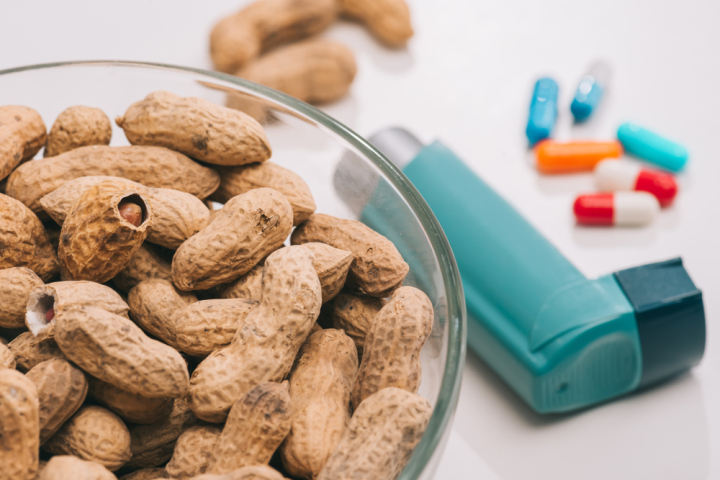
Peanut and hazelnut allergies can be diagnosed with lipid transfer proteins-specific IgE tests alongside other tools for diagnosis.
Low-dose ginger supplement improves asthma control, study finds!
In patients with mild-to-moderate asthma, low-dose ginger supplement improves asthma symptoms and reduces inflammation.
Tree SLIT-tablet reduces allergy severity in children during pollen seasons
Tree SLIT-tablet markedly improves symptoms in children with allergic rhinitis and conjunctivitis during birch and oak pollen seasons, with a favorable safety p...
Pediatric food allergies linked to evolving gut and skin microbiomes, study find...
Comprehending microbiome differences in children with food allergies highlights Collinsella as a biomarker and supports microbiome-targeted therapies.
Prevalence of peanut allergy due to PM2.5 and NO2 pollutants exposure in early y...
Implementing policies to reduce air pollution may help decrease the occurrence and long-term persistence of peanut allergies.
Phase 3 trial confirms safety of HDM SLIT-tablet for children with allergic rhin...
In children (aged 5-11 years) suffering from allergic rhinitis/rhinoconjunctivitis, house dust mite sublingual immunotherapy tablet is safe and well-tolerated.
Montelukast-Levocetirizine vs. Montelukast alone: Which is better for pediatric...
Montelukast + Levocetirizine markedly reduces daytime and nighttime nasal symptoms while minimizing adverse events and boosting patient satisfaction, making it...
This website uses cookies to help us give you the best experience when you visit.
By using this website you consent to our use of cookies. For more information please review our cookie policy.